
Get Dallas Moving Quotes That Match Real Traffic, Tolls & Buildings
Scan your Dallas home with AI, factor in I‑35, 635, the Dallas North Tollway, elevators in Uptown, and long walks in big complexes—then compare local and long‑distance moving quotes side by side.

moving quotes in Dallas, TX
How Dallas Moving Quotes Actually Work (And Why They’re Often Wrong)
On the surface, a moving quote in Dallas looks simple: a truck, a couple of movers, and an hourly rate or flat fee. In reality, Metroplex moves are affected by where you live, when you move, and how the crew has to cross town. A one-bedroom move from a walk-up in Oak Cliff to a nearby neighborhood might only cross a few surface streets. The same size move from a Victory Park high-rise to Frisco can involve: • Scheduling around rush hour on I‑35E, the Dallas North Tollway, or US‑75 • Travel time and mileage across 635, President George Bush Turnpike, or 121 • Possible tolls on routes like the Dallas North Tollway or PGBT • Loading dock and freight elevator reservations near Downtown or Uptown Generic quote forms that ask for only your ZIP code and home size ignore these details. That’s how you end up with a quote that sounds fine on paper, then jumps once the crew realizes they’re carrying furniture down three flights of stairs in Oak Lawn or sitting in stop‑and‑go traffic on 635 at 4:30 p.m. MoveCost is built to surface these Dallas specifics early. Instead of guessing, you walk through your place with our AI scan and add simple context about where you’re moving from and to. The movers who respond see the same reality you do—stairs, elevators, parking, and cross‑town travel—so their quotes are aligned with how a Dallas move actually plays out, not a national average that doesn’t fit this city.
Dallas Moving Routes & Quote Examples You Can Actually Recognize
This page is the central place to get Dallas moving quotes that make sense across real routes—not just generic “2‑bedroom, local” labels. Below are example scenarios that mirror common Dallas‑area moves. They’re illustrative, not live quotes, but they show how distance, roads, and access can change what you see on your estimate. 1. Uptown High‑Rise → Oak Lawn Apartment (In‑Town, Short Distance) • Route: A few miles using surface streets and possibly the Dallas North Tollway ramps • Inventory: 1‑bedroom with sectional, queen bed, desk, 20–25 boxes, balcony set • Access: Freight elevator and loading dock in Uptown; 3rd‑floor walk‑up in Oak Lawn with tight stairs • What movers see in your AI inventory: • Exact furniture list and box count • Elevator window at origin, stair flights at destination • Short drive but realistically 3–4 hours on site with a 2–3 person crew In MoveCost, quotes that ignore stairs at the Oak Lawn destination or make no mention of the elevator reservation at origin are easier to flag as optimistic. 2. Plano House → Frisco House (Suburb to Suburb Across the Tollway) • Route: North of Dallas, typically along the Dallas North Tollway or Preston/Coit alternatives • Inventory: 3‑bedroom single‑family home with garage shelves, kids’ furniture, patio set • Access: Driveway parking at both ends, a couple of steps at each front door • What movers factor in: • Total volume from your AI scan: number of rooms, garage items, outdoor furniture • Whether you’re comfortable with toll‑road use on the Tollway or prefer non‑toll routes • Time of day: avoiding peak Tollway traffic can keep the crew within quoted hours Here, quotes that avoid tolls may estimate more drive time; quotes that include Tollway usage might show less travel time but a small toll line item. 3. Downtown Dallas Loft → Addison Apartment (Core to North Dallas) • Route: Often uses US‑75, the Tollway, or a mix of I‑35E and 635, depending on time of day • Inventory: 1–2 bedroom loft with heavier furniture and home‑office gear • Access: Loading dock and freight elevator downtown; gated complex with parking lot access in Addison • What the AI scan adds: • Real count of desks, monitors, file cabinets, and heavy shelving • Notes on long walks from the downtown loading dock to your unit • Parking layout at the Addison complex Quotes that assume a simple curbside load downtown are easy to spot once you see which movers accounted for the loading dock and elevator. 4. Arlington Apartment → East Dallas (Cross‑Metro Without Tolls) • Route: Likely runs along I‑30 or I‑20, skipping major toll roads • Inventory: 2‑bedroom apartment with typical furniture, kids’ items, and 30–40 boxes • Access: 2nd‑floor unit in a large garden‑style complex with interior stairs; townhouse destination in East Dallas with street parking • Key quote drivers: • Stairs at origin and tight parking at destination • Cross‑Metro travel time and I‑30 traffic Movers who priced this move as if it were “ground‑floor to ground‑floor with driveway parking” would likely quote fewer hours. With MoveCost, you’ll see which companies treated your stair and parking details seriously. 5. Dallas → Austin (I‑35 Corridor, Long‑Distance In‑State) • Route: Dallas to Austin along I‑35E/I‑35, often with known congestion around Waco and North Austin • Inventory: 1–2 bedroom apartment in North Dallas or Las Colinas moving to a central Austin apartment • Access: Dallas complex with elevator; Austin destination might be walk‑up or another high‑rise with its own rules • Long‑distance quote components: • Linehaul (miles between Dallas and Austin) • Inventory size and packing level from your AI scan • Access on both ends (elevators, stairs, loading zones) Here, you’ll compare movers on total price and how they handle delivery timing on I‑35, not just on hourly rates. 6. Dallas → Houston or Beyond (I‑45, Gulf Coast, or Out‑of‑State) • Route: Dallas to Houston along I‑45, or longer routes out of Texas entirely • Inventory: Often 2–4 bedroom homes or well‑furnished apartments leaving the Metroplex • Access: Driveway parking in Dallas suburbs, mixed access at destination In MoveCost, your inventory stays the same whether you price Dallas → Austin, Dallas → Houston, or Dallas → another state. Long‑distance movers then layer on miles, delivery windows, and route‑specific details so you can see which offers actually fit your Dallas starting point and your final destination.
Use an AI Home Scan to Fix the #1 Problem in Dallas Moving Quotes: Bad Inventory
The fastest way for a Dallas moving quote to go off the rails is a bad inventory. If a dispatcher hears “two‑bedroom apartment in Uptown” but doesn’t know about your sectional, Peloton, or storage unit full of boxes in Irving, the price you see and the price you pay won’t match. MoveCost’s AI-based home scanning is designed to clean this up before you ever book a mover: 1. Walk your place with your phone Open the scan, then walk through your rooms—living room, bedrooms, kitchen, balcony, storage closet, garage—at a normal pace. 2. Let the AI capture your items The scan picks up major pieces like sofas, beds, TVs, desks, dressers, dining sets, and visible boxes. You can manually flag heavy or awkward items like safes, pianos, gun safes, or oversized sectionals. 3. Add Dallas-specific access details • High‑rise near Downtown or Uptown? Note floor, elevator distance, and loading dock info. • Older duplex near Lower Greenville or Oak Cliff? Mention narrow stairs or tight turns. • Suburbs like Plano, Frisco, McKinney, Mesquite, or Grand Prairie? Call out long driveways, alley access, or HOA rules on trucks. 4. Share with multiple movers at once With your permission, the same detailed inventory goes out to several professional movers in our marketplace. You don’t have to re‑explain everything on separate phone calls. Because each mover is working from the same Dallas home snapshot, the quotes you get back are based on your actual volume and access—not a vague label like “two-bedroom” that could mean almost anything in this city. If you want a broader estimate before you scan, you can also use the AI moving cost calculator on our main site to see how your inventory and distance influence cost, then come back here when you’re ready to compare specific Dallas movers side by side.
Compare Dallas Moving Quotes Across Traffic, Tolls, and Cross‑Metro Travel
Dallas quotes aren’t just about how long it takes to load your stuff. Travel time across the Metroplex and which roads your movers take can change your final bill. When you use MoveCost to request quotes, movers can see: • Where you’re starting and ending – Victory Park to Oak Lawn is very different from Addison to Mansfield or Downtown Dallas to Allen. • Likely routes and traffic windows – Whether the crew will need to plan around the Dallas North Tollway, I‑30, 635, US‑75, I‑20, or I‑35E. • Toll preferences – Some movers avoid tolls by default; others may quote with or without toll road use on segments like the North Tollway or PGBT. In your quote breakdowns, you may see line items or notes such as: • Drive time across the city • Fuel or mileage fees for cross‑suburb moves • Adjustments for peak‑hour traffic versus off‑peak scheduling For example, if you’re moving from a Downtown loft to a house in Frisco, one mover might suggest an early‑morning start to avoid heavy traffic on US‑75 and the Tollway, while another might factor a mid‑day window into their estimated time. With the quotes laid out side by side, it’s easier to see not only who is cheaper, but who is building a plan that matches your Dallas commute reality. By combining your AI inventory with these route details, MoveCost helps you compare movers on more than a flat hourly rate. You can weigh different plans for crossing the Metroplex—and decide whether a slightly higher quote with a plan that avoids backup‑prone segments of 635 or I‑35E is worth it to you.
Local Moves Inside Dallas vs. Long‑Distance Moves Out of Dallas
Most moving quote tools lump everything together, but a short hop inside Dallas and an interstate move to another state are priced very differently. For local Dallas‑area moves, quotes usually focus on: • Hours on‑site plus drive time between your old and new homes • Number of movers on the crew • Access details: elevators, stairs, long walks from truck to door • Neighborhood‑specific logistics like alley loading, parking rules, or building time windows Think: • Uptown high‑rise to Knox‑Henderson mid‑rise • Rowlett house to Rockwall new construction • Apartment in Richardson to a townhome in Plano In these cases, your inventory and real Dallas logistics (elevators, walking distance, and time of day) drive nearly all of the quote difference. For long‑distance moves into or out of Dallas, quotes can also include: • Linehaul charges for the miles between cities or states • Shipment size or weight ranges based on your AI inventory • Delivery windows and any layover or storage in transit You might be comparing: • A move from Dallas to Austin or Houston • A move from Dallas to another state entirely With MoveCost, your scan still captures the full inventory and access details on the Dallas side. Movers that handle long‑distance routes then layer on transportation and delivery timing. When quotes come back, you can see in plain language which parts of the estimate are about the Dallas pickup and which parts are about the miles to your new city. If you’re still planning and want to sanity‑check your budget for longer routes, you can also reference our state‑to‑state moving cost tools on the main site, then return here when you’re ready to book a mover who understands Dallas pickup conditions specifically.
From Scan to Booked Dallas Mover: What Happens After You Request Quotes
Once you’ve run your AI home scan and submitted your Dallas move details, the rest of the process is straightforward: 1. Your scan turns into a clear inventory You see a structured list of what you’re moving: furniture pieces, big items, and a count of boxes. You can edit or add notes if you missed anything. 2. Movers review the same information Professional movers serving Dallas and the surrounding suburbs see your inventory and notes about stairs, elevators, street parking, or complex layouts in places like Addison, North Dallas, or Irving. 3. You receive multiple quotes in one place As movers respond, you can see their quotes side by side, including: • Hourly vs flat‑rate pricing • Number of movers and trucks • Estimated on‑site hours and travel time • Line items for disassembly, long carries, or special handling 4. You compare beyond just the total price By looking at crew size, time estimates, travel assumptions, and your schedule, you can tell which quote is just cheap on paper and which one is more realistic for your situation. 5. You choose and confirm your mover Once you pick a mover, you confirm the quote details inside the platform. You can share building rules, gate codes, and notes about tricky items—so everyone goes into moving day on the same page. This flow keeps you from starting over every time you want a second opinion. The same Dallas‑specific inventory and access details power every quote you see, which makes comparisons a lot more meaningful than the one‑off phone estimates most people are used to.
When a ‘Cheap’ Dallas Moving Quote Actually Costs More
It’s easy to look at two Dallas moving quotes and grab the lowest number. But if that cheaper quote ignores real‑world Dallas logistics, you may pay more by the time the truck pulls away. Here are a few red flags to look for when you compare quotes through MoveCost: • No mention of travel time across town If you’re going from Downtown to Frisco, McKinney, or Mansfield and one quote doesn’t mention travel or drive time while others do, it may be underestimating your actual hours. • Vague descriptions of access A quote that doesn’t reference your third‑floor walk‑up, elevators, or long carries in a big complex is probably assuming best‑case conditions. • Aggressive time estimates with a small crew Two movers quoting a three‑hour window for a fully furnished two‑bedroom in a high‑rise might be optimistic compared to a three‑ or four‑mover crew allowing more time. • Missing line items that other movers include If everyone else is charging for disassembling beds or walking long distances from the truck and one company leaves that out, expect those charges to surface later. By seeing multiple quotes on top of the same AI inventory, you can spot these differences quickly. That way, you can decide whether a slightly higher but more transparent Dallas quote is a better fit than a low estimate that only looks good until moving day.
How This Dallas Quotes Page Fits into MoveCost’s Moving Cost Tools
This page is focused on one thing: helping you turn a realistic snapshot of your Dallas home into comparable moving quotes that take local traffic, tolls, and access details into account. If you’re still exploring your options, you can plug into other MoveCost tools before or after you use this Dallas quotes flow: • Planning your budget early? Use the AI moving cost calculator to get a ballpark range based on your home size and route, then come back here when you’re ready to compare actual Dallas movers. • Want to understand local versus long‑distance pricing? Our state‑to‑state moving cost calculator explains how mileage and route selection layer on top of your Dallas pickup conditions. • Curious how stairs and elevators affect your price? The stairs and elevator calculator breaks down how access in Dallas buildings can change time on‑site. • Comparing local movers near you? Our local moving cost calculator and local movers comparison pages help you see how Dallas‑area prices stack up against similar routes in other metros. Those tools give you context; this Dallas moving quotes page turns that context into real offers from movers who can see the same AI‑powered inventory that you do.
How It Works
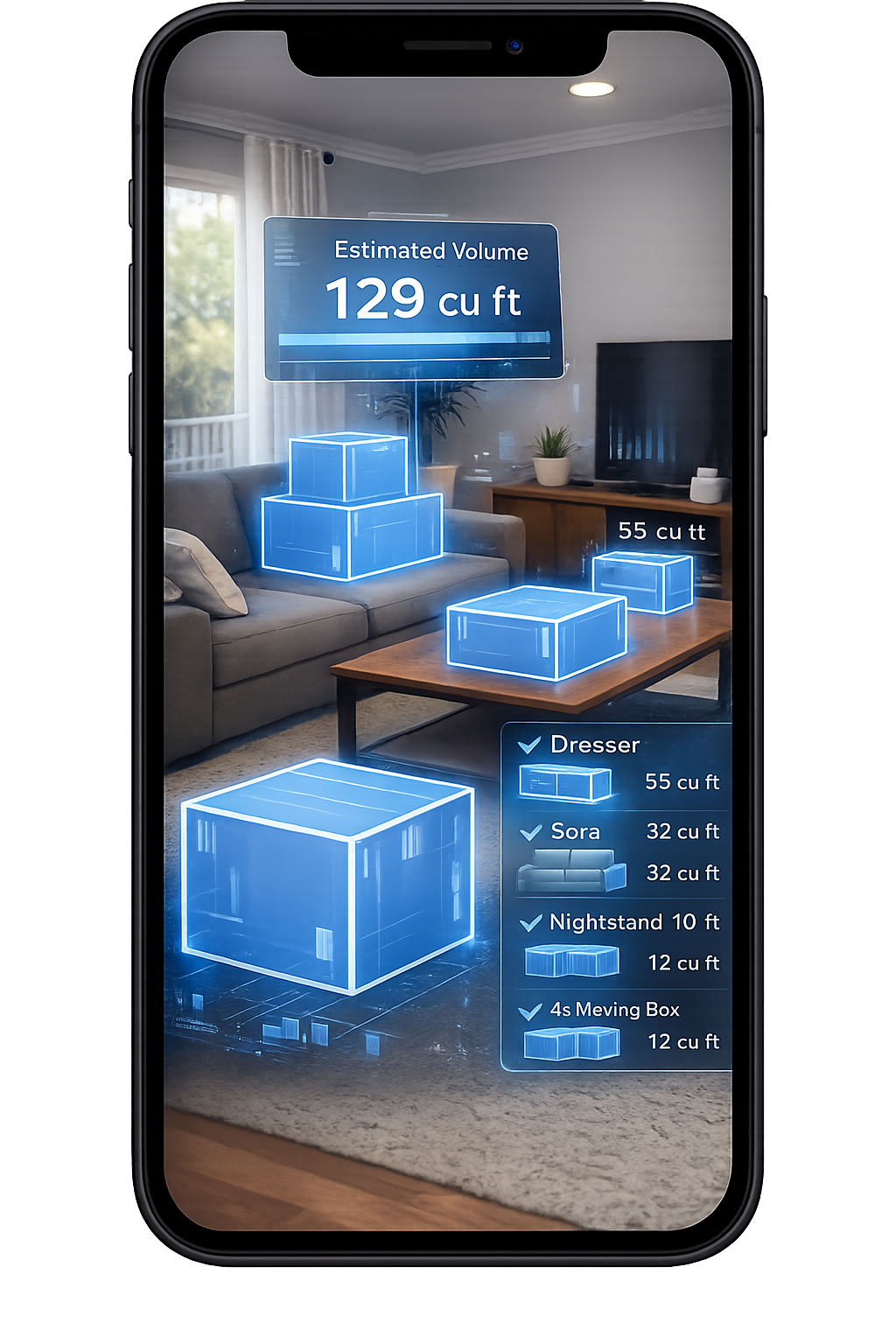
1. Scan Your Room With Your Phone
Walk around your space and scan your items in seconds.
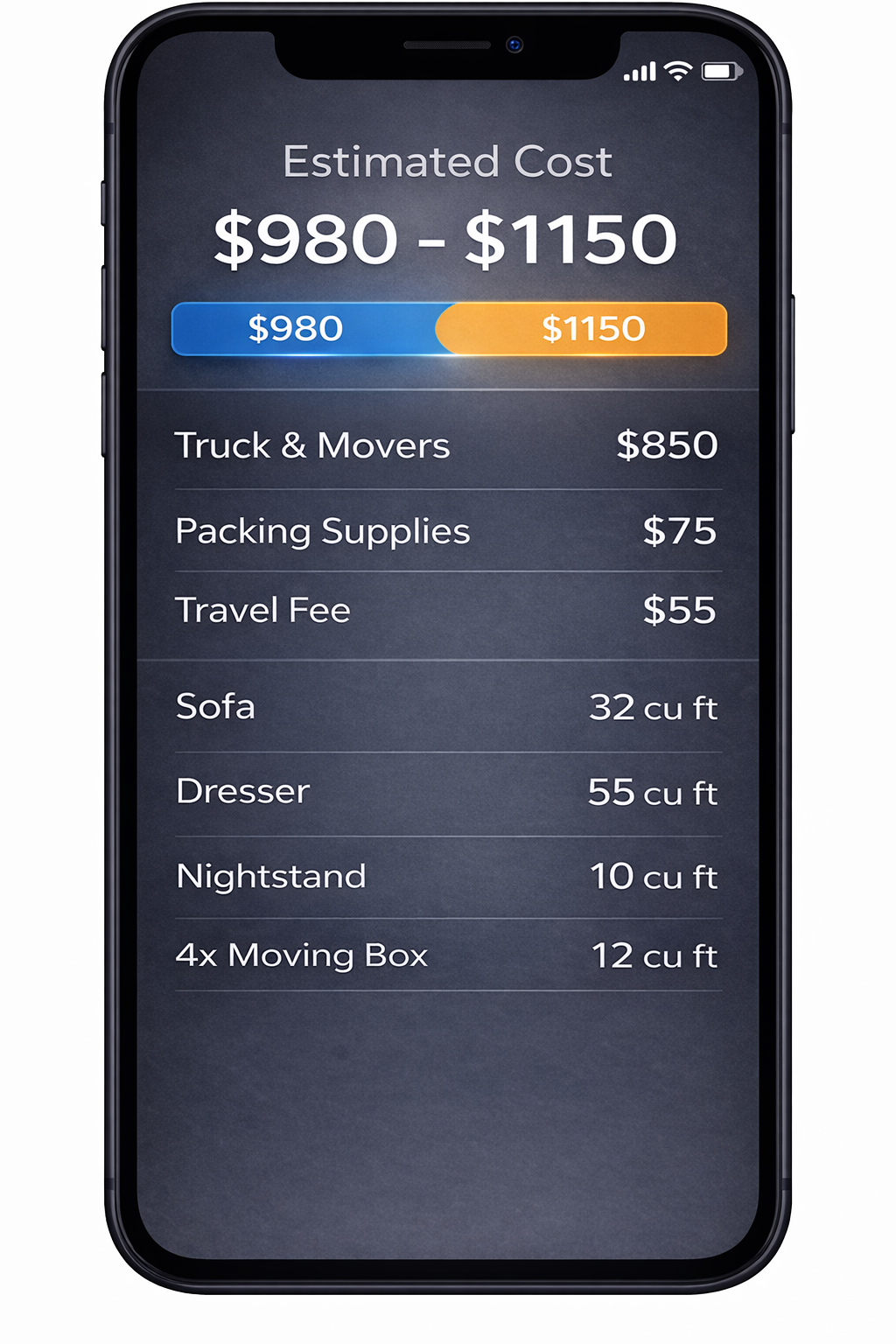
2. AI Detects Your Items
We identify your items and calculate volume for a clearer estimate.
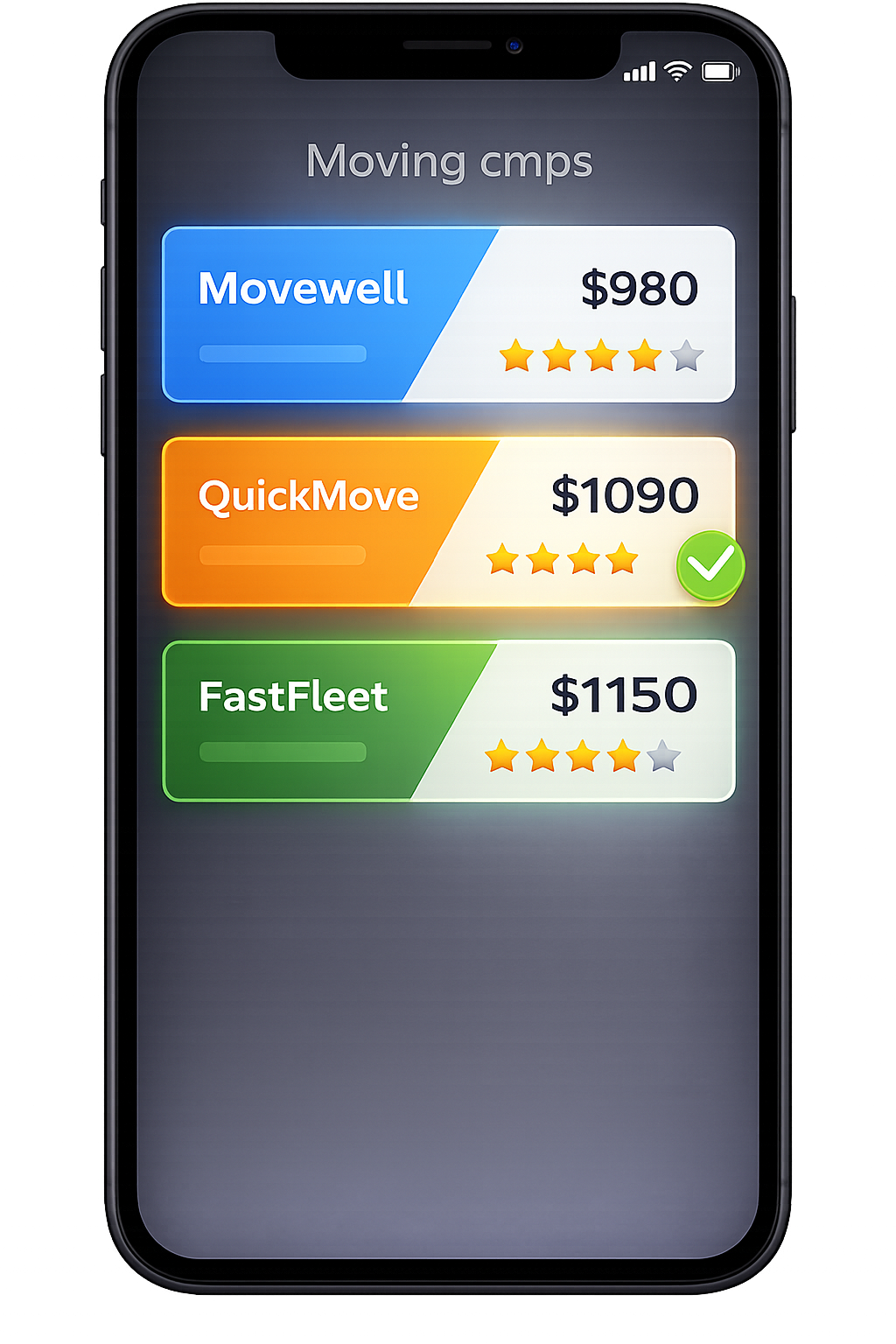
3. Compare Multiple Quotes
Compare mover quotes for Dallas, TX from the same scanned inventory.
Frequently Asked Questions
How do Dallas traffic patterns and highways affect my moving quotes?
Dallas moving quotes often include assumptions about when and how your crew will cross the city. Routes that rely heavily on I‑35E, I‑635, US‑75, I‑30, or I‑20 can move quickly at 10 a.m. but slow to a crawl at 5 p.m. When you request quotes with MoveCost, you share your origin and destination (for example, Uptown to Frisco or Arlington to Plano) and your preferred start window. Movers can then price realistic drive time based on typical congestion on your likely routes. Some may suggest earlier starts or different paths across the Metroplex to keep your hours—and your bill—closer to the estimate.
Do Dallas toll roads like the Dallas North Tollway and PGBT change what I pay?
They can. Most Dallas movers either build toll usage into their hourly estimates (assuming they’ll hop on the Tollway, PGBT, or 121) or avoid tolls and allow more drive time instead. With MoveCost, you can indicate whether you’re open to toll road use or prefer to keep the truck on non‑toll routes. Movers can then note in your quote whether tolls are included as a small line‑item or whether they’ve assumed slower but toll‑free alternatives, so you understand how route choices are affecting your final number.
How do moving quotes differ between central Dallas and suburbs like Plano, Frisco, or Arlington?
Moves inside central Dallas—Downtown, Uptown, Oak Lawn, Deep Ellum—are more likely to involve elevators, loading docks, and tight parking. Quotes there often hinge on access and timing more than pure mileage. In suburbs like Plano, Frisco, McKinney, or Arlington, driveway access is more common and crews can usually work faster once they arrive. However, cross‑Metro moves that run from one suburb to another (for example, Arlington to Frisco) still require time on 360, 121, 75, I‑20, or 635, which movers factor into drive time and fuel estimates. When you use MoveCost, you give movers a shared inventory plus clear notes about your specific neighborhood, so their local or cross‑suburb pricing lines up with your actual route.
What are the best days and times to move in Dallas to keep quotes reasonable?
For many Dallas routes, weekday mornings outside of rush hour strike the best balance between availability and lower time-in-traffic. Late afternoon moves that overlap with northbound traffic on US‑75, the Tollway, or 635 tend to run longer than planned, which can push you beyond a mover’s minimum hours. End‑of‑month and weekend slots also book quickly. When you compare quotes in MoveCost, you can test a couple of timing scenarios—such as a Thursday 8 a.m. start versus a Saturday mid‑day window—and see how movers adjust their estimated hours and pricing for your specific Dallas route.
Can I use MoveCost if I’m only moving a few miles inside Dallas, like Uptown to Oak Lawn?
Yes. Short in‑town moves are where Dallas access details matter most. The AI scan still helps by clarifying whether your “small move” is really a light studio or a heavily furnished 1‑bedroom with balcony furniture and a storage closet. You also enter access details such as elevators, loading docks, or stairs in Uptown and Oak Lawn. Local movers on MoveCost use that information to decide whether a small crew for a short job makes sense or whether your building logistics warrant more time or extra help, even though the distance is only a few miles.
How far ahead should I start getting moving quotes in Dallas?
For most in‑town Dallas moves, starting 2–4 weeks ahead gives you time to compare quotes, coordinate with apartment offices or HOAs, and secure your preferred date. For popular periods—end of month, peak summer, or before major holidays—it’s wise to reach out earlier, especially if you’re in a high‑rise that requires freight‑elevator reservations. Long‑distance moves out of Dallas (like Dallas to Austin, Houston, or out of state) may also require more notice to align truck routes and delivery windows. MoveCost lets you scan and build your inventory early, then request quotes once your date range is solid, so you’re not running estimates at the last minute.
What happens if my Dallas building has long walks from the truck to my door?
Long carries—from the truck, through a parking lot or garage, into a building and down a hallway—add labor time even on short‑distance moves. Many Dallas complexes in areas like Addison, Las Colinas, or Far North Dallas have layouts where trucks can’t park directly at your unit. When you complete your MoveCost request, you can note how far movers typically walk and whether carts or elevators are available. Movers then factor that into their estimated hours. If one quote assumes a short carry and others acknowledge longer walks, you’ll be able to see why their time estimates differ before move day.
Can I reuse my AI inventory if I decide between multiple Dallas routes, like Dallas → Plano vs Dallas → Austin?
You can. Once you’ve scanned your Dallas home, that inventory becomes your base for any route you want to explore. You might start by checking quotes for an in‑town move (for example, Oak Cliff to East Dallas), then decide to compare against a longer in‑state move (Dallas to Austin or Dallas to Houston). MoveCost uses the same inventory and access notes while movers apply different distance and delivery logic for each route. That makes it easier to see how much of your cost is coming from Dallas‑specific logistics and how much changes when you move farther away.