
Check Your Seattle Moving Cost in Minutes with AI
Scan your home with your phone, let AI estimate your moving volume, and compare real quotes from movers serving Seattle and nearby cities.

Seattle Moving Cost Calculator with AI Home Scan | MoveCost
What Does a Typical Move Cost in Seattle Right Now?
Use real ranges plus AI inventory scanning to see where your move is likely to land. Moving costs in Seattle swing quite a bit depending on neighborhood, volume, and building access. For smaller in-city moves—like a one-bedroom from Capitol Hill to South Lake Union—many people land somewhere in the mid-hundreds for a few hours of work with a truck and crew. Larger apartments and single-family homes in areas like Ballard, West Seattle, or Greenwood trend higher as time, volume, and access complexity increase. Longer moves—from Seattle to Portland, Spokane, or across the country—shift from simple hourly rates to a mix of distance, volume, and timing. That’s where guessing from bedroom count alone can miss the mark. MoveCost helps you turn these rough ranges into something specific to you. Scan your home once, let AI estimate your volume, and compare actual quotes from movers so you’re not relying on generic averages. See how your move type compares to typical Seattle ranges Understand which parts of your move are most likely to drive cost Use AI volume estimates to get closer to your real number
How Seattle Neighborhoods, Distance, and Traffic Affect Moving Cost
In Seattle, the route and access often matter as much as the miles. Most Seattle movers charge by the hour for local jobs. That means time lost in traffic, circling for parking, or waiting for elevators all shows up on your invoice. A short hop from Fremont to Wallingford with easy parking can be straightforward. A move from a Belltown high-rise to a rental home in Renton during rush hour, with I‑5 congestion and loading dock rules, can take much longer even with similar mileage. Dense areas like Capitol Hill, First Hill, downtown, and South Lake Union frequently involve: • Loading dock reservations • Limited elevator windows • Long walks from truck to unit For regional moves from Seattle to places like Bellingham, Spokane, or Vancouver, WA, movers usually blend driving time, distance, and shipment size. For out-of-state moves, weight or cubic footage becomes even more important. With MoveCost, you share your origin, destination, and access notes once. Movers see your AI-backed inventory plus route details, helping them quote more precisely for your exact Seattle move. Know which route and timing choices can save you money Help movers plan around your building’s real-world constraints Reduce the gap between estimated and final billable hours
Studios, Family Homes, and That Packed Capitol Hill Storage Unit
AI inventory scanning turns your actual belongings into a clearer cost picture. Two 600 sq ft Seattle studios can have completely different moving costs depending on how much is inside. Volume and weight are major drivers of price whether you’re going a few blocks or across the country. In smaller apartments around Capitol Hill, Queen Anne, or South Lake Union, basic furniture and a modest number of boxes usually keep things on the lighter side. Add a piano, large sectional, gym equipment, aquariums, or lots of books, and your required time and effort jump. Single-family homes in Ballard, West Seattle, or Northgate often come with garages, sheds, and bikes, skis, tools, and seasonal gear. Those “extra” items are what quietly stretch a move into an all-day job. MoveCost’s AI scan helps you skip the guesswork. Walk through your place with your phone, capture what you’re moving, and let AI estimate the volume. Movers see photos and item lists instead of vague notes like “some boxes,” so their quotes are based on what’s really going on the truck. Turn a rough bedroom count into a detailed inventory Help movers estimate truck space and time more accurately Spot items that may need special handling before you book Apartments & Condos Townhomes & Houses Extra Storage & Gear
Elevators, Parking, Weather, and Building Rules in Seattle
Small access details can have a big impact on your final moving cost. Two Seattle moves with the same inventory can be priced very differently because of access and logistics. Ground-level homes in parts of West Seattle with driveways are usually faster to load than high-rises near South Lake Union with: • Required elevator reservations • Specific loading docks • Long interior walks In neighborhoods like Capitol Hill, Belltown, and Pioneer Square, just finding a legal truck spot can be time-consuming. Add in rainy days, occasional snow on hills in Queen Anne or Magnolia, and strict move-in/out windows, and your schedule can tighten quickly. Many Seattle buildings limit moves to certain hours and ask for specific documentation from moving companies. If crews run into unexpected rules or delays, overtime or rescheduling fees can follow. With MoveCost, you note elevator size, stairs, parking options, and building rules up front. Movers then factor those details into their quotes instead of discovering them when they arrive. Flag possible access delays before movers quote your job Help avoid surprise fees tied to building policies Choose movers comfortable with your specific Seattle building type
Moving in Winter Rain vs. Peak Summer Weekends in Seattle
Your move date, day of week, and time of day can all influence cost. Seattle moving prices shift throughout the year. Summer is usually the busiest season: leases turn over, families move before school starts, and dry weather makes moves appealing. Late June through August often means tighter schedules and higher demand for weekend slots. If you’re aiming for a Saturday at the end of the month in peak season, expect limited availability and fewer flexible options. Movers prioritize full-day and complex jobs when their calendars are packed. In contrast, late fall and winter—from roughly November through February—tend to be less busy. Many movers have more open weekdays and may offer more favorable pricing. The tradeoff is shorter daylight hours and wet or occasionally icy conditions. Even within a single week, midweek mornings tend to run smoother than Friday afternoons. Jobs are less likely to be delayed by earlier moves running long. With MoveCost, you can explore how different dates and times affect your quotes, then pick the option that balances convenience with total cost. See how flexible timing can lower your moving cost Avoid fully booked dates before you lock in a plan Align your move window with building and elevator access
Get Accurate Seattle Moving Quotes with AI Inventory
Skip long forms. Use your phone to scan, then compare movers side-by-side. Traditional moving estimates often rely on quick phone calls or long forms where you guess how many boxes you have. That guesswork is what turns into surprise charges later. MoveCost is built to make Seattle moving estimates clearer and faster: 1. Scan your home with your phone Walk through your rooms, and our AI helps detect major furniture and item types. 2. Review and refine your AI inventory Add or adjust items, and note anything bulky or fragile that needs extra care. 3. Enter your Seattle move details Share origin, destination, rough date, parking notes, stairs, and elevator access. 4. Compare quotes from movers Qualified movers see the same inventory and logistics details and respond with their estimates. Because everyone is quoting based on the same AI-backed information, you get a more consistent, apples-to-apples view of your options. Reduce surprises between estimate and final bill Quickly see how different movers price the same job Save time compared to calling multiple companies individually No Repeating Your Info Clear Inclusions Easy Updates
Turn Seattle Moving Cost Guesswork into Clear, Comparable Quotes
Designed for renters and homeowners across Seattle, from downtown high-rises to neighborhood homes. Whether you’re moving from a Capitol Hill walk-up, a South Lake Union apartment, or a house in Ballard or West Seattle, having a clear picture of your moving cost helps you plan everything else—time off work, cleaning, and deposits. MoveCost brings together AI scanning, local knowledge, and a simple quote comparison experience so you can make informed decisions without spending hours on the phone. Better budget planning for your Seattle move Confidence comparing multiple mover options Less stress on move day with fewer unknowns Built Around Your Inventory Seattle-Focused Guidance One Hub for Your Move
How It Works
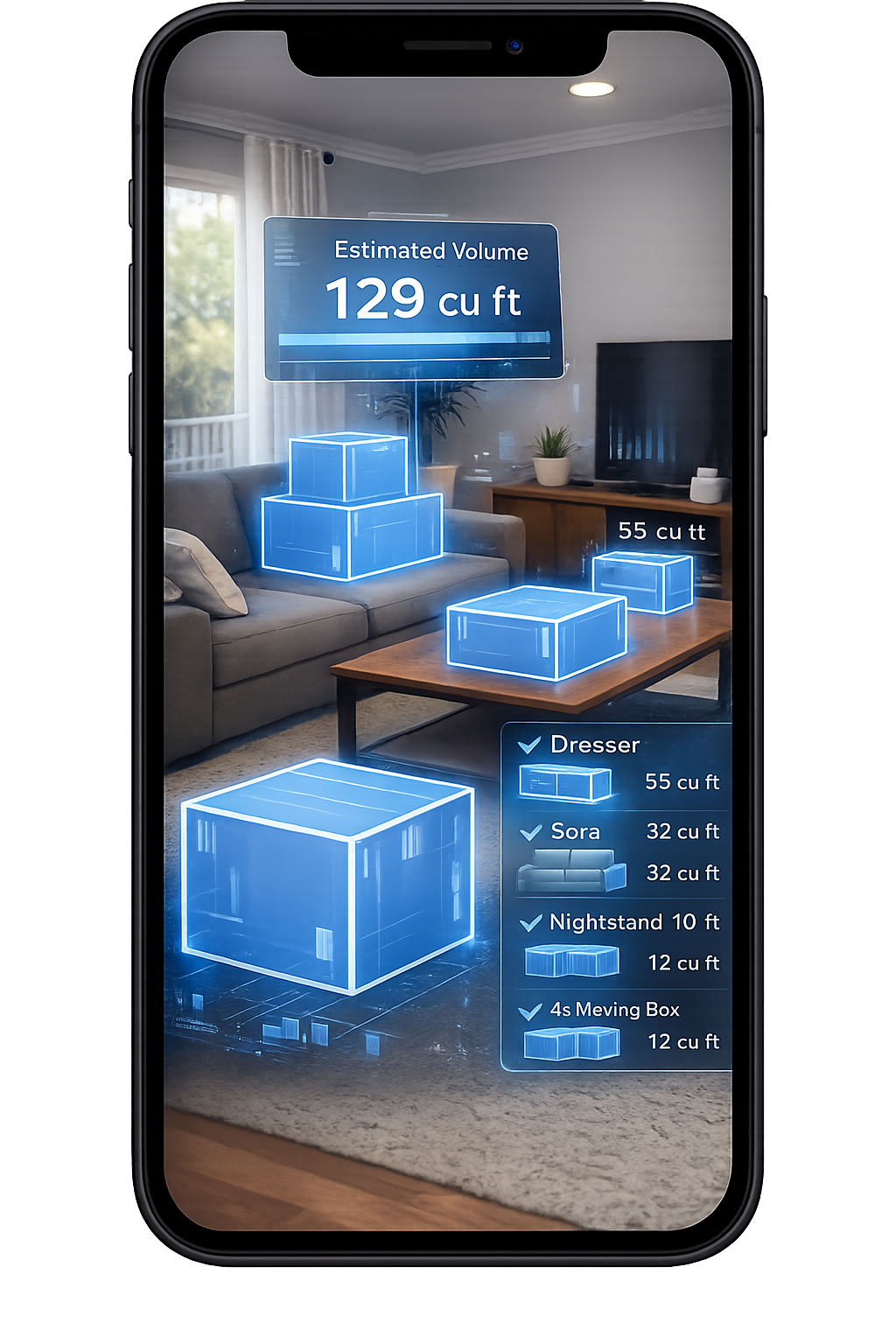
1. Scan Your Room With Your Phone
Walk around your space and scan your items in seconds.
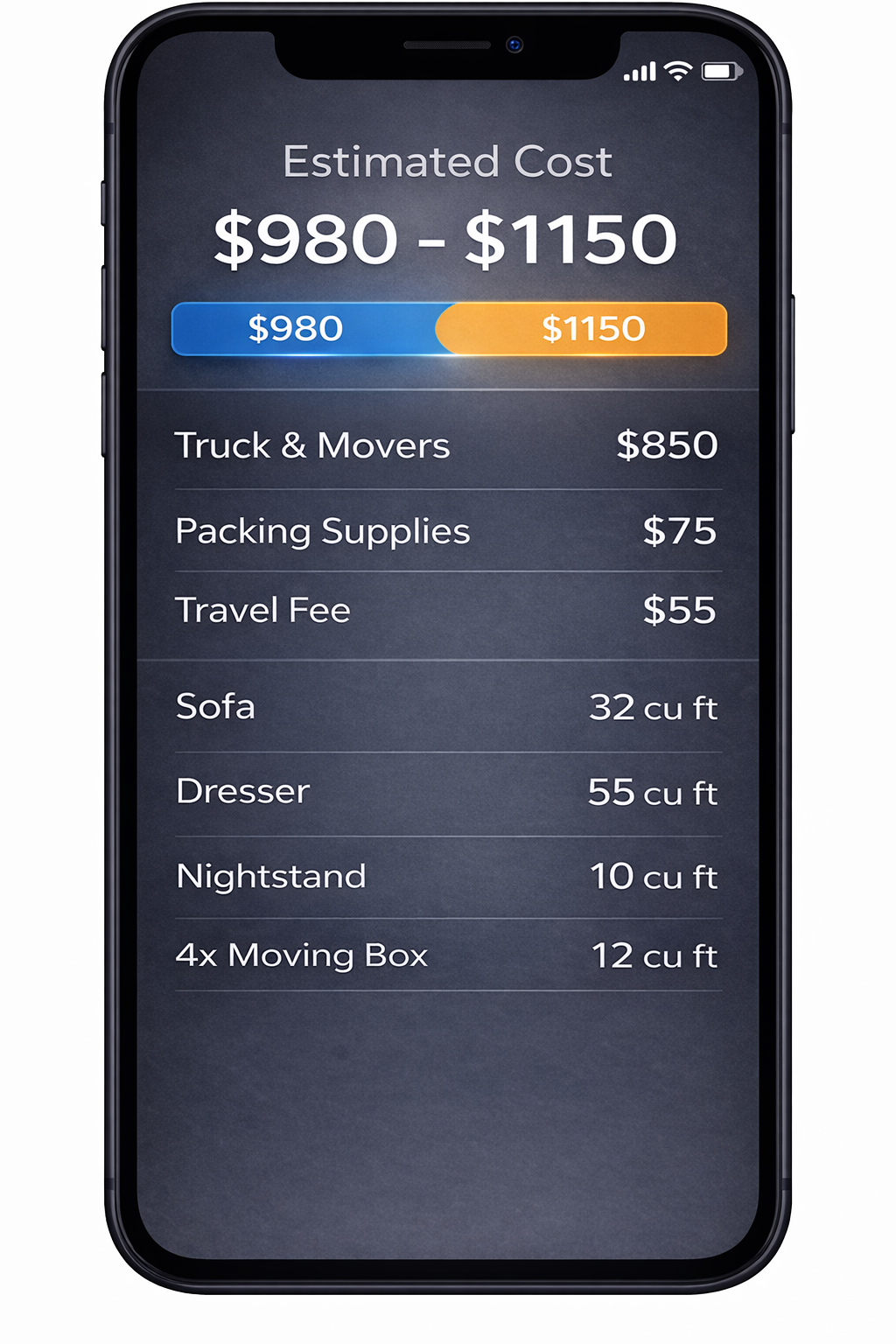
2. AI Detects Your Items
We identify your items and calculate volume for a clearer estimate.
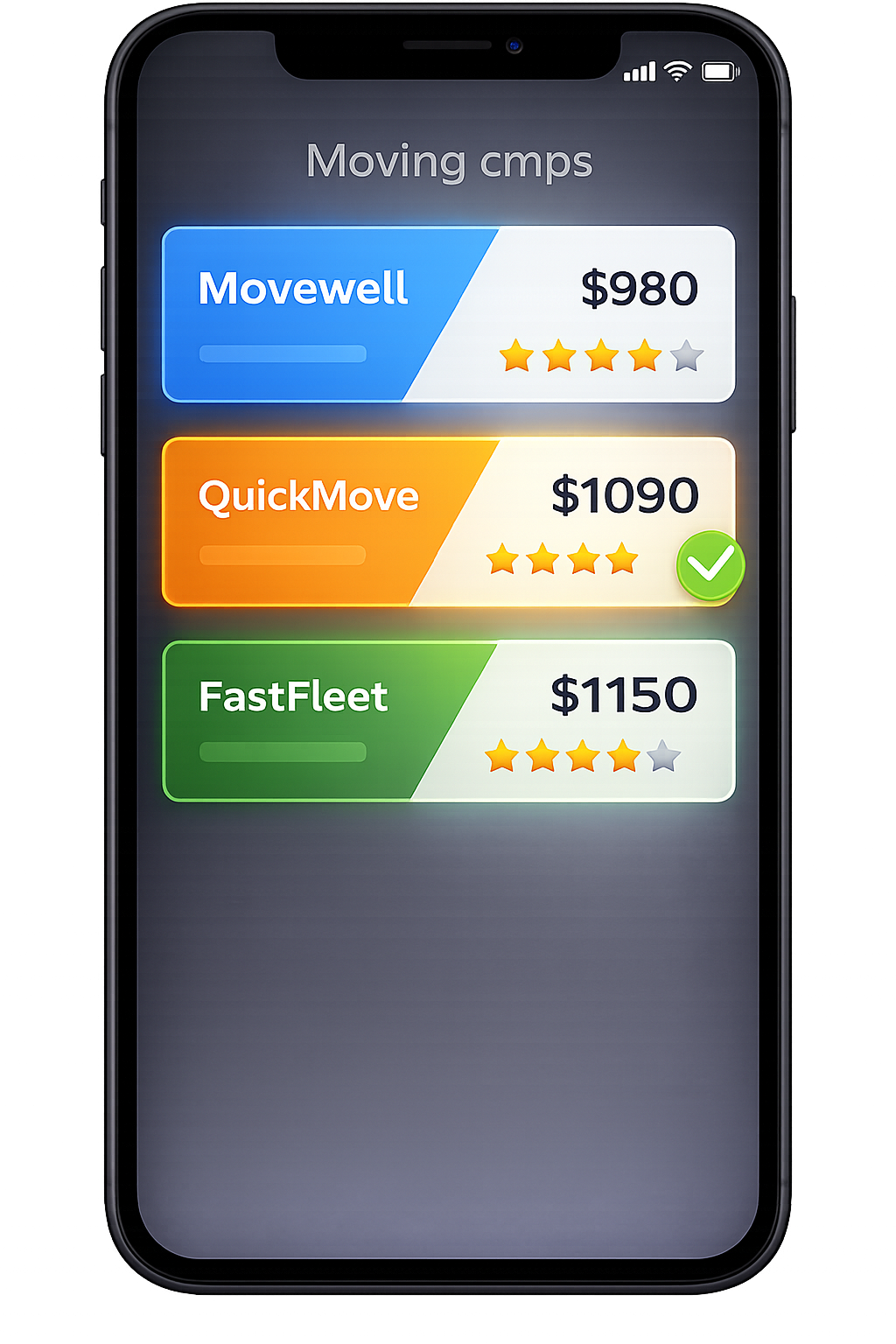
3. Compare Multiple Quotes
Compare verified mover quotes from the same scanned inventory.
Frequently Asked Questions
How much should I budget to move a one-bedroom apartment within Seattle?
For a typical one-bedroom move inside Seattle—such as Capitol Hill to South Lake Union or Ballard to Fremont—many people land in the mid-hundreds for a few hours of work with a truck and crew. That assumes normal access (an elevator you can reserve or a couple of flights of stairs), a standard amount of furniture, and a non-peak weekday. Steep stairs, tight parking, heavy items, or peak-season weekends can push total cost higher. The fastest way to narrow that range is to scan your place with MoveCost’s AI tool, share your inventory once, and compare several mover quotes for your specific addresses and date.
Why do Seattle movers charge extra for stairs, elevators, or long walks?
Stairs, elevators, and long walks from the truck to your unit make every trip take longer. Carrying a sofa down three flights in an older Capitol Hill building or using a distant loading dock in South Lake Union is more time-consuming than backing a truck into a driveway in West Seattle. Many Seattle movers add fees for multiple flights of stairs, tight elevators, or long carries because they can turn a three-hour job into a five-hour one. When you request estimates through MoveCost, you can flag stairs, elevator details, and walking distance so movers can price those factors in up front.
Is it cheaper to move during Seattle’s rainy winter instead of summer?
Often, moving in late fall or winter is easier to schedule and can be less expensive than a peak summer weekend. June through August—especially month-end Saturdays—are popular move dates in Seattle, which tightens availability. November through February usually see less demand, more weekday openings, and potentially more favorable pricing. The tradeoff is weather and daylight: crews move more carefully in rain and occasional snow, and days are shorter. With MoveCost, you can request quotes for a couple of different dates and quickly see how much timing affects your estimated cost.
How can I avoid surprise moving charges when leaving a Seattle apartment building?
Most surprise charges come from access or building rules that weren’t shared before move day. To reduce that risk, check with your building manager about move-out hours, elevator reservations, loading zones, and any documents they require from movers. Then include those details—number of stairs, elevator size, distance from truck to unit, and any restricted hours—when you use MoveCost. Our AI inventory captures what you’re moving, and your notes give movers a clear picture of the logistics so they can include likely costs in their initial quotes.
How accurate are AI-based moving estimates for long-distance moves from Seattle?
AI-based estimates are generally more reliable than rough guesses because they start from a detailed inventory instead of just bedroom count. For moves from Seattle to other cities—like Portland, Boise, or Chicago—movers often price based on weight or cubic footage plus distance. MoveCost’s AI scan helps document your furniture and boxes so movers can estimate volume more precisely. It’s still an estimate, and your final price can change if you add or remove items before the move, but starting from an accurate inventory usually narrows the gap between the quoted and final amount.
Do I need to live in central Seattle to use MoveCost?
No. MoveCost works for moves starting or ending in Seattle as well as many nearby cities and suburbs. Whether you’re in a downtown high-rise, a Capitol Hill walk-up, a Ballard townhouse, or a home in surrounding areas, you can scan your space, share your details, and compare quotes from movers interested in your route.