
Compare Local Movers in Miami by Building Rules, Elevators, and Real Volume
Scan your Miami apartment with AI, see how much you’re actually moving, and compare local mover quotes for short routes like South Beach to Brickell or Edgewater to Downtown—before you book.
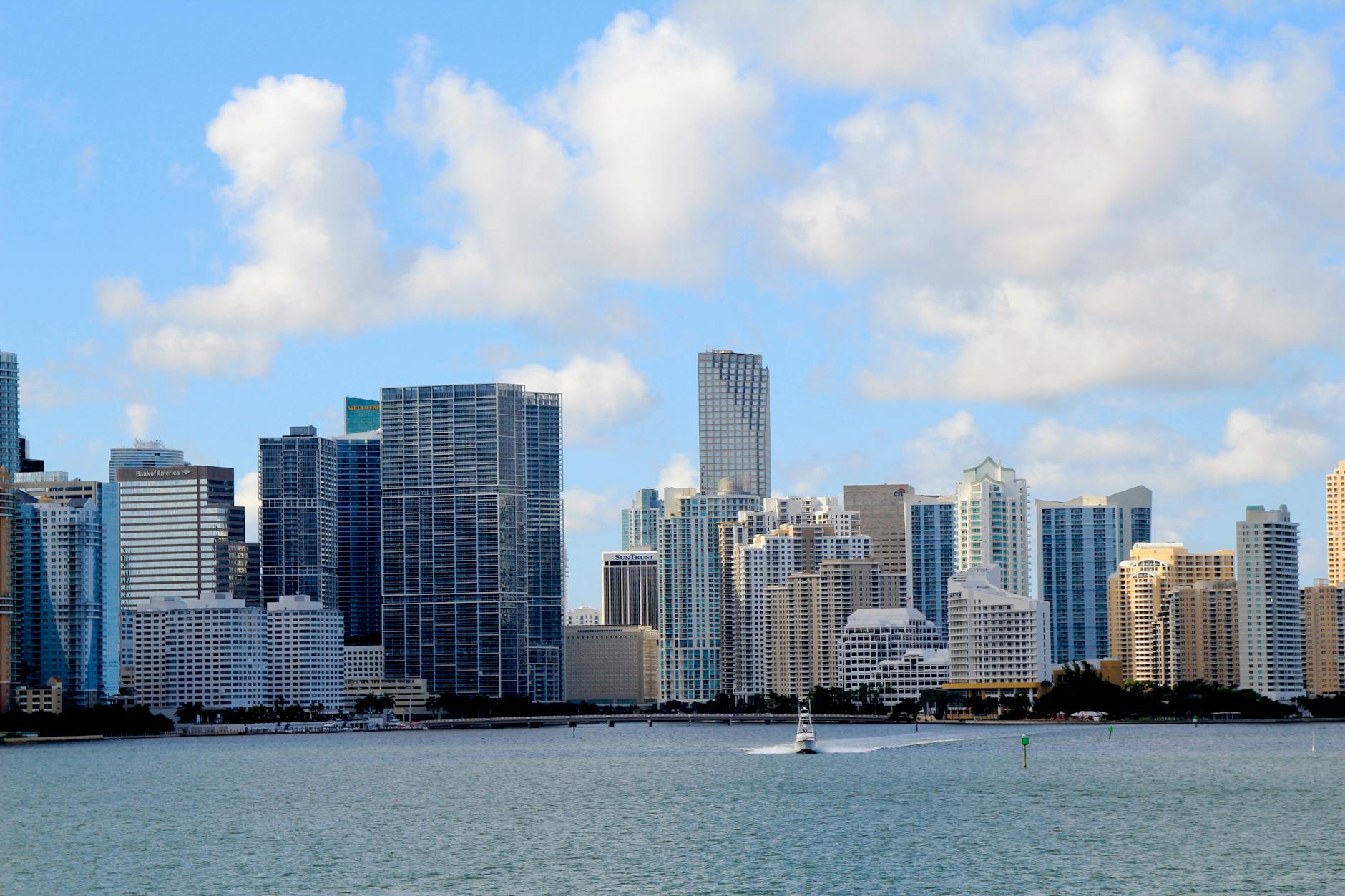
local movers in Miami, FL
Local Miami Moves Aren’t Simple Driveway-to-Driveway Jobs
When people search for “local movers in Miami,” they’re usually not picturing a single-family driveway on each end. A typical Miami local move is more like: • A Brickell condo with a freight elevator that has to be reserved in 4‑hour blocks • A South Beach walk-up where the moving truck can’t fit in the garage • An Edgewater high-rise with a gated loading dock and strict move windows • An older Little Havana building with two or three tight staircases Those details matter more to your final price than the 3–8 miles between your old and new place. MoveCost is built specifically for these kinds of Miami moves. Instead of giving movers a rough description over the phone, you: 1. Scan your current place with our AI inventory tool 2. Answer a few Miami‑specific questions about elevators, parking, and building rules 3. Share your local route—like South Beach to Brickell, Edgewater to Downtown, or Coral Gables to Coconut Grove Local movers on the platform see the same detailed inventory and access notes you do. That means they can estimate time based on what you’re actually moving and how Miami buildings and streets behave in real life, not just on the number of bedrooms or a generic “in‑town” label.
Brickell, Downtown, and Edgewater: Elevator Rules Can Decide Your Moving Day
If you’re moving between high-rise buildings in Brickell, Downtown, or Edgewater, the freight elevator schedule often matters more than the traffic. Many Miami condo towers will only allow moves: • On certain days (for example, Monday–Friday only) • In defined time blocks (9 a.m.–1 p.m. or 1 p.m.–5 p.m.) • Using a specific freight elevator and loading dock Some buildings also require: • A Certificate of Insurance (COI) from your mover • Floor protection like runners or pads in common areas • Move forms or deposits submitted to the association Inside MoveCost, you can record: • Whether you must reserve a freight elevator and for how long • Which time windows your association allows • Any COI requirements or special instructions your building provides These details go directly into your quote request. Local movers who regularly work in Brickell, Downtown, and Edgewater know how much elevator waits, long hallway walks, and security check‑ins can add to a job. They can factor that into the hourly time they estimate and suggest start times that line up with your building’s rules. Instead of hoping a mover “has done your building before,” you’re giving each company the same written rules and inventory so they can plan crews and timing realistically.
South Beach, Little Havana, Midtown: Parking and Loading Are Half the Battle
In many Miami neighborhoods, the hardest part of a local move is the 50–200 feet between the truck and your front door. Common parking and loading issues include: • South Beach: Narrow streets, limited street parking, and garages with clearance too low for standard trucks • Little Havana: Older walk‑ups, few or no designated loading zones, and long walks from legal parking • Midtown and Wynwood: Shared loading docks, event traffic, and valet systems that limit how long a truck can sit When you set up your MoveCost scan for a Miami move, you can note: • Whether your building has a loading dock, alley access, or only street parking • Garage or overhang height limits that might affect truck size • Approximate walking distance from parking to your door or elevator • How many stair flights or elevator trips are involved on each end Local movers use that information to decide: • What size truck to send for South Beach or Midtown garages • How many movers are needed to keep up with long carries in Little Havana • Whether they should budget extra time for valet coordination or shared docks On your quote comparison screen, you’ll see these access issues reflected in the estimated hours and crew sizes. A lower hourly rate may not be the best fit if the mover hasn’t accounted for a long walk from parking or multiple stair flights.
Moving in Miami Heat or During Hurricane Season
Scheduling around Miami’s weather is a key part of planning a local move—especially if you’re in a high‑rise or a building with outdoor walkways. Heat and humidity: • Summer midday moves can be tough on crews and can slow work on stairs and long walks • Many people prefer early‑morning starts to reduce heat exposure and keep hallways less crowded • Some movers build in short water breaks on extremely hot days, which affects total on‑site time Rain and hurricane‑season patterns: • Afternoon thunderstorms are common during the wet season • Some buildings temporarily stop moves if there is lightning or strong wind • Building staff may require extra floor protection or limit how long doors can be propped open in bad weather In MoveCost, you can: • Flag that you’re moving during hurricane season • Share any weather‑related building rules from your HOA or property manager • Choose morning or afternoon windows so movers can plan around typical storm patterns Movers then respond with time estimates and notes that reflect both your inventory and the time of year, so you can see how a Thursday morning in May compares to a Saturday afternoon in August for your specific route.
Example Miami Local Routes with Distance and Volume-Based Price Patterns
Local movers in Miami often charge by the hour, with a minimum number of hours. Your total cost usually comes from three pieces: how long loading and unloading take, how much driving is involved, and how complicated your buildings and access points are. MoveCost doesn’t set prices, but by combining your AI inventory with your route, it helps you understand how movers might categorize your job. Here are common Miami local routes and how they typically behave: 1. South Beach condo to Brickell high‑rise • Approximate driving distance: about 7–9 miles, depending on the causeway • Typical load: studio or 1‑bedroom apartment • Major time drivers: South Beach parking, causeway and drawbridge traffic, Brickell freight elevator windows • Local quirk: causeway backups and drawbridge openings can make a short route behave like a longer one at certain times of day. • How MoveCost helps: a scan shows whether your move is truly a compact studio or closer to a full 1‑bedroom with heavier items, so movers can size crews and time estimates more precisely. 2. Edgewater to Downtown or Brickell • Approximate driving distance: roughly 2–4 miles • Typical load: 1–2 bedroom condo • Major time drivers: Biscayne Boulevard traffic, shared loading docks, garage height limits • Local quirk: some garages in this corridor restrict truck height or require check‑ins with security before using the freight elevator. • How MoveCost helps: building notes clarify whether trucks can access your garage and how long freight elevators and hallways are, which movers fold into their hourly estimates. 3. Little Havana walk‑up to Coral Gables or West Miami • Approximate driving distance: about 3–7 miles • Typical load: older 1–2 bedroom apartments, sometimes with heavier wooden furniture • Major time drivers: multiple stair flights, narrow stairwells, limited parking near entrances • Local quirk: tight corners and older staircases can slow moves more than the short drive time suggests. • How MoveCost helps: you can specify stair counts and walking distance from parking; movers then recommend crew sizes that keep the move within your building’s allowed hours. 4. Midtown / Wynwood to Edgewater or Upper Eastside • Approximate driving distance: around 2–5 miles • Typical load: studio or 1‑bedroom moves • Major time drivers: shared loading docks, busy intersections, and weekend event traffic • Local quirk: art walks, concerts, and markets can make weekend moves in Midtown and Wynwood slower than a weekday morning. • How MoveCost helps: you can compare weekday vs. weekend estimates and see how movers adjust time for likely delays around galleries, markets, or events. 5. Coral Gables to Coconut Grove or Brickell • Approximate driving distance: roughly 3–6 miles • Typical load: 1–3 bedroom apartments, townhomes, or small houses • Major time drivers: tree‑lined streets that limit larger trucks, narrow driveways, and HOA rules in gated communities • Local quirk: some streets are better suited to smaller trucks or shuttles, which affects how movers plan crews and timing. • How MoveCost helps: your inventory and parking notes indicate whether a standard truck can reach your door, helping movers avoid surprises that could extend the hourly clock. As you finish your AI scan and answer the building questions, MoveCost translates your Miami move into a structured scope: volume, stairs/elevators, parking, and distance. Local movers respond with time ranges tied to that scope instead of generic “2–3 hour” guesses, so you can see which quotes match the complexity of your actual route.
Turn Your Miami Apartment into a Precise Inventory with One Scan
Phone estimates often blur important details that matter in tight Miami buildings: whether your couch is a lightweight loveseat or a heavy sleeper sofa, whether your bed is a simple platform or a king with a tall headboard that needs disassembly. MoveCost’s AI scan turns your apartment into a structured list that local movers can use immediately: 1. Walk room by room with your phone’s camera 2. Let the AI recognize common items—beds, tables, dressers, couches, TVs, chairs, boxes 3. Add quick labels like “needs disassembly,” “fragile glass,” or “heavy solid wood” 4. Note tight doors, low ceilings, or long hallways if they apply to your Miami building The result is an inventory that tells movers: • How many trips they’ll make through your freight elevator or stairwell • What tools and materials they should bring for your specific furniture • Whether a smaller or larger crew is more realistic for your time window For smaller moves—like a South Beach studio or a partial move from a shared Edgewater apartment—the scan helps you avoid paying for more truck and labor than you need, because movers can see exactly how much volume is involved.
Compare Local Miami Mover Quotes Side by Side—Without Phone Tag
Once your AI scan and addresses are complete, MoveCost shares your inventory and building details with local movers that serve your part of Miami. Your quote view typically includes: • Hourly rate and how many movers are included in that rate • Minimum hours or special rules for evenings and weekends • Estimated total hours based on your inventory, route, and building notes • Written notes on stairs, elevators, parking, and long carries You can sort or filter movers by: • Familiarity with high‑rise condos vs. walk‑ups • The neighborhoods they regularly serve (for example, Brickell + South Beach, Midtown + Edgewater, or Little Havana + Coral Gables) • Time windows that match your freight‑elevator reservation or building rules You can also message movers directly inside the platform to clarify: • How they plan to handle your parking situation or loading dock • Whether they’ve moved in or out of your specific building or complex before • How they handle weather or traffic delays on your route Instead of making multiple phone calls and trying to compare different descriptions, you’re reviewing quotes that all reference the same AI inventory and Miami‑specific access details.
When a "Local" Miami Move Starts to Look Like a Short-Distance or Regional Move
Not every “local” Miami move stays within a few miles of Downtown. Many people move between neighborhoods like North Miami and Kendall, or across county lines to nearby cities. Typical examples include: • Moving from Brickell or Edgewater to Doral or Kendall • Moving from central Miami to Hollywood, Miramar, or Pembroke Pines • Moving from Miami Beach to inland suburbs west of I‑95 From your perspective inside MoveCost, the process doesn’t change: 1. Scan your home with AI to capture volume 2. Enter your exact start and end addresses 3. Add building rules, stairs/elevators, and parking for both ends Movers then consider: • Drive time on I‑95, the Palmetto, or the Turnpike • Toll roads and bridges along your route • Optimal start times to avoid typical rush patterns Because your quote request is based on accurate inventory and access details, you can see how additional distance changes your time estimates without losing sight of the Miami‑specific constraints that still apply at one or both ends of the move.
More Miami Moving Resources from MoveCost
If you’re still planning and want to understand what affects local moving prices in Miami before you book a crew, these related MoveCost tools and guides can help: • Miami moving cost overview: Explore how distance, inventory volume, and building access usually interact in Miami moves. • Miami moving quotes comparison: See how AI‑based inventories feed into real‑world quotes and what details local movers tend to ask for. • Miami moving estimates guide: Learn how Miami movers structure hourly ranges, minimums, and add‑ons for stairs and elevators. • Long‑distance movers from Miami: Use the same scan if your plans shift from a local move to a state‑to‑state or cross‑country route. • Staying in Miami? Compare local movers: If you’ve been exploring long‑distance or general cost pages but decided to stay in the city, come back to this local movers page to focus on short, in‑metro routes. • Stairs and elevator calculator: Test how additional stair flights and elevator delays can change time estimates before you reserve your freight elevator. All of these tools are built on the same idea as this local movers page: once you describe your belongings and Miami building rules clearly, you can get estimates that are easier to compare and plan around.
How It Works
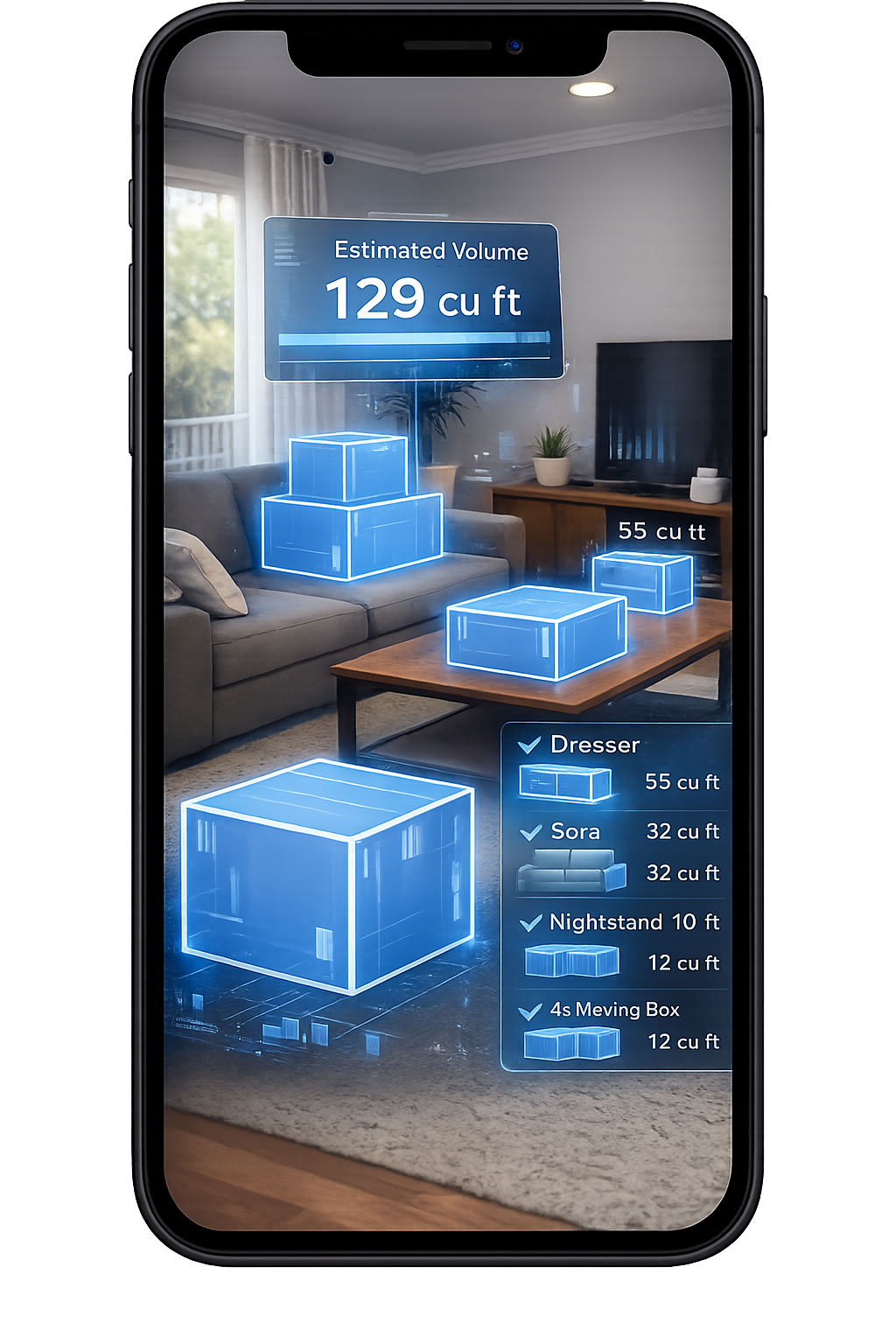
1. Scan Your Room With Your Phone
Walk around your space and scan your items in seconds.
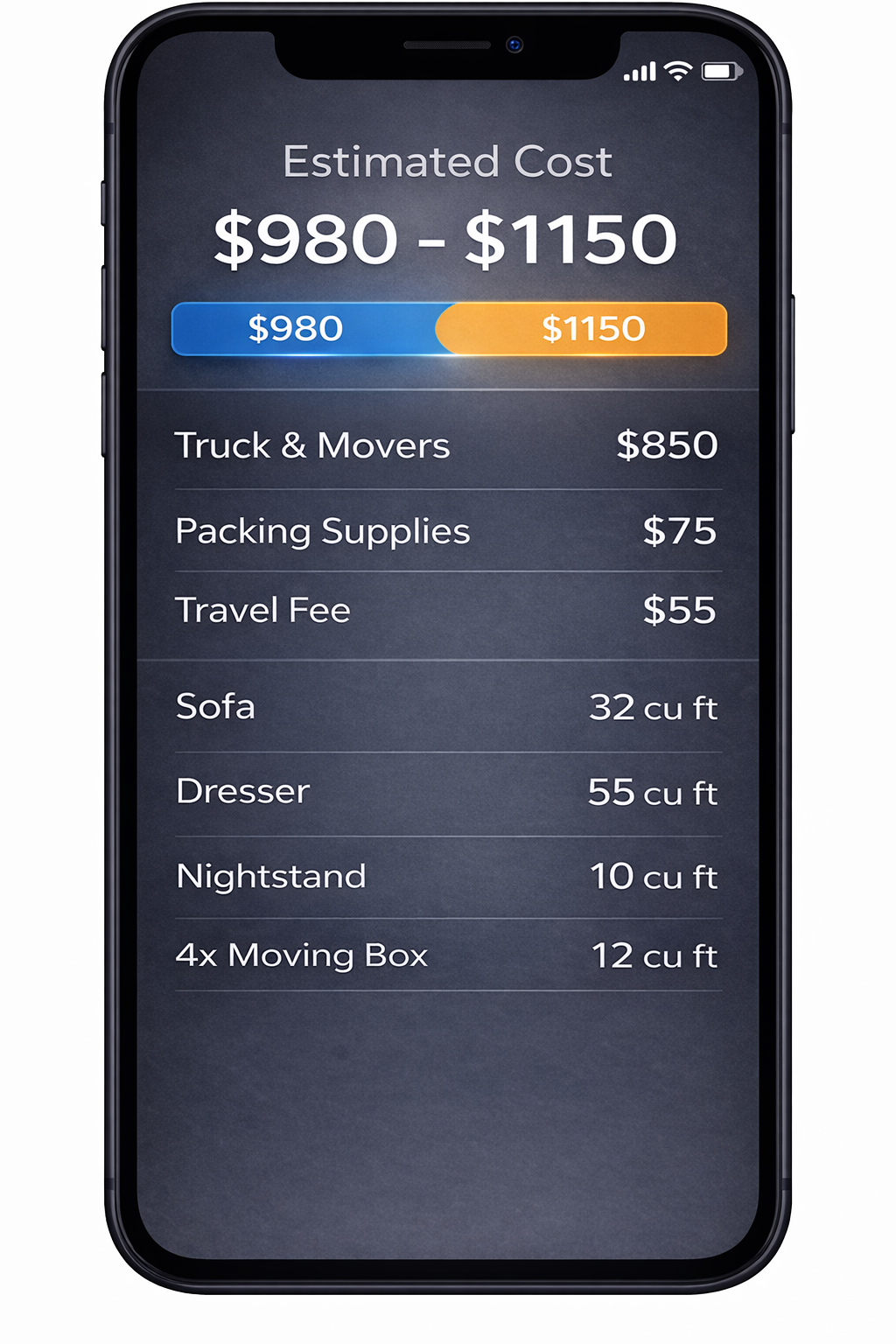
2. AI Detects Your Items
We identify your items and calculate volume for a clearer estimate.
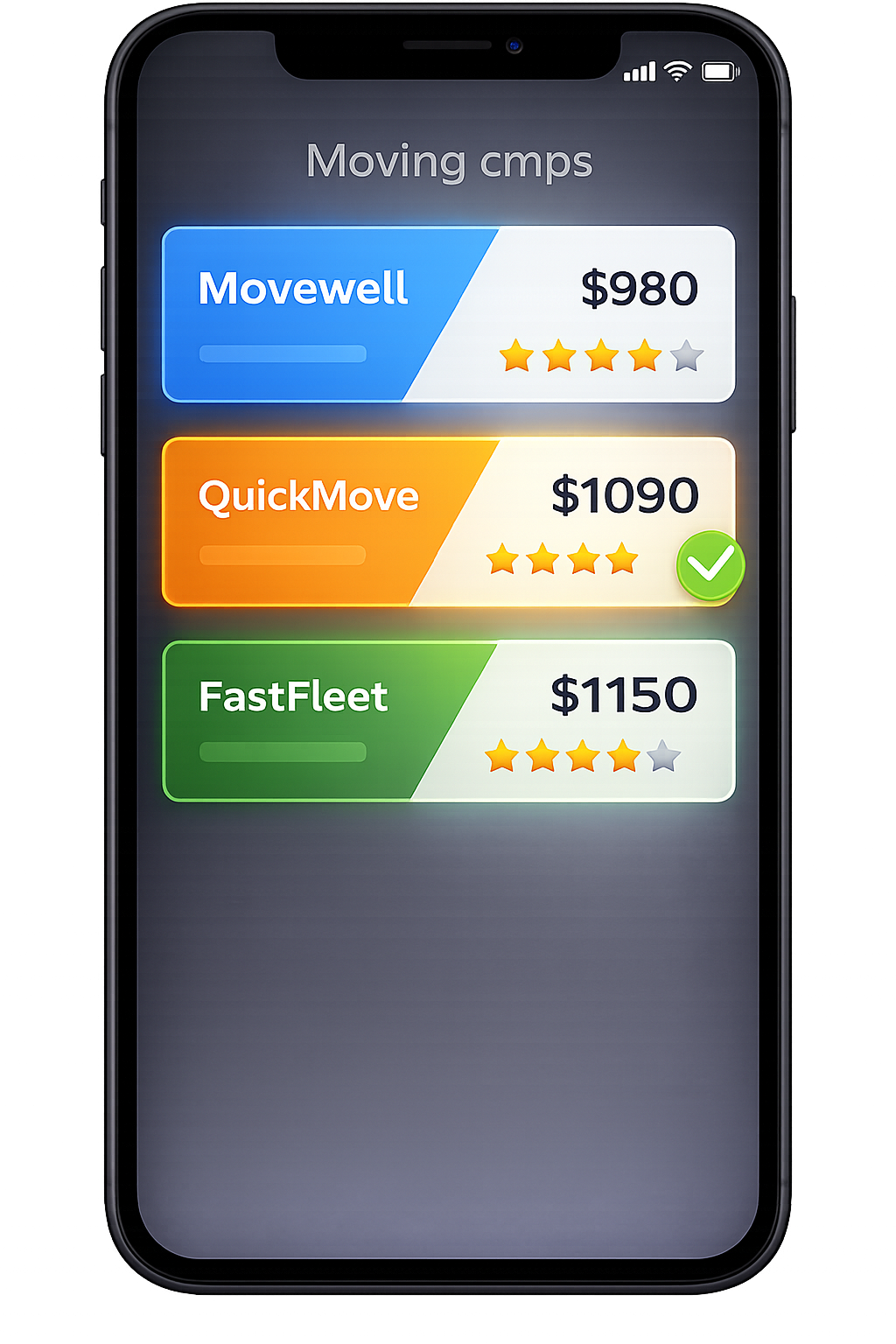
3. Compare Multiple Quotes
Compare mover quotes for Miami, FL from the same scanned inventory.
Frequently Asked Questions
How far in advance should I book local movers for a Miami apartment or condo move?
For many local Miami moves, booking movers 2–3 weeks in advance is often enough, but the timing depends heavily on your building and your date. High‑rise condos in Brickell, Downtown, and Edgewater may require you to reserve the freight elevator and submit paperwork well ahead of time, especially for end‑of‑month dates, holiday weekends, and Saturdays. A practical sequence is: 1. Confirm move‑in and move‑out rules with both buildings 2. Reserve your freight‑elevator window or loading dock slot 3. Start a MoveCost scan and request quotes that match that window If you’re moving midweek in a building with more flexible rules, some local movers may still have availability on shorter notice, but you will typically have fewer time‑slot options.
What special rules should I expect when moving in or out of a Miami condo building?
Condo and high‑rise buildings in Miami commonly have written moving guidelines. These may include: Required freight‑elevator reservations and limits on how long you can use them Rules restricting moves to weekdays or certain time blocks A Certificate of Insurance (COI) that your mover must provide Requirements for floor protection, door protectors, and hallway coverings Check‑in procedures with building security or management When you create your move inside MoveCost, you can summarize these rules or upload any instructions your building gives you. Local movers view those notes along with your AI inventory so they can plan arrival time, crew size, and materials around your building’s specific expectations.
What Miami neighborhoods are the most challenging for local moving and how does that affect time and cost?
Parking, access, and building layouts can make some Miami neighborhoods more challenging than others. Common examples include: South Beach: Limited parking, narrow streets, and garages with low clearance for trucks Brickell and Downtown: Busy streets, security check‑ins, and freight‑elevator windows that create tight move schedules Little Havana: Older buildings with multiple stair flights and few designated loading zones For these areas, movers may: Budget extra time to find legal parking or coordinate with building staff Use smaller trucks or adjust where they park to stay within clearance limits Recommend a larger crew to handle long walks or stairs within your move window With MoveCost, you can describe your exact building access and neighborhood conditions so that time estimates reflect the realities of your block, not just your ZIP code.
What are the best days and times to move locally in Miami to reduce delays?
Weekday mornings are often easier for local Miami moves than evenings or weekends, particularly if your route crosses causeways or major highways. Morning starts can: Avoid some rush‑hour congestion on I‑95, the Palmetto, and key causeways Reduce time spent working in peak heat during summer months Make freight‑elevator use smoother, since buildings may be less busy However, your options are shaped by building policies. Some condos allow only weekday moves, while others reserve weekends for move‑ins and move‑outs. When you request quotes through MoveCost, you can list several acceptable days and time windows; movers will respond with notes about how each option might impact time and traffic for your specific route.
How do Miami local movers usually charge for short routes like South Beach to Brickell or Edgewater to Downtown?
For short in‑city routes, many Miami movers charge an hourly rate with a minimum number of hours. Even if the drive between South Beach and Brickell or between Edgewater and Downtown is relatively quick, the total cost is often influenced more by: How long loading and unloading take in your specific buildings Freight‑elevator waits or stair flights Parking distance from the truck to your door MoveCost doesn’t set or control those rates, but by giving movers an AI‑based inventory and clear notes about elevators, stairs, and parking, it encourages more specific time estimates. You can then compare the hourly rates and estimated hours different movers propose for your actual route and volume, instead of relying on a single rough guess.
How do movers typically handle stairs or slow elevators in Miami buildings?
Local movers in Miami generally factor stairs and elevator conditions into their hourly time estimates. For example, a walk‑up in Little Havana with three flights of stairs or a busy Brickell freight elevator that serves multiple towers can add noticeable time. When you describe your move in MoveCost, you can: Enter how many stair flights are involved at each address Note whether the elevator is reserved just for your move or shared with residents Mention any long carries from the truck to the elevator or front door Movers then use that information to decide whether to suggest a larger crew, plan for more hours, or recommend a different time window to keep your move within building limits.
How does weather or hurricane season affect local moves within Miami?
During Miami’s rainy and hurricane seasons, weather can influence how smoothly a local move runs, especially when buildings have additional rules: Afternoon thunderstorms can slow loading and unloading and may cause buildings to tighten door‑propping policies Some properties temporarily pause moves during lightning or severe wind If a named system is forecast, your building might restrict or reschedule move‑in and move‑out dates When you request quotes on MoveCost, you can indicate that your move falls during hurricane season and share any building guidance you receive. Movers can then explain how they protect floors and furniture during rain, how they approach potential delays, and what options exist if your building changes your move date or time.
Can I use MoveCost for very small local moves in Miami, like one bedroom’s furniture or a partial move?
Yes. Many people in Miami use MoveCost for smaller local moves, such as moving out of a shared apartment, moving just one bedroom’s furniture, or shifting from a furnished rental to an unfurnished condo. The AI scan still provides value because it shows movers exactly what they will be handling—bed size, number of boxes, any heavier pieces, and access conditions. That allows movers who are open to smaller jobs to respond with time estimates and minimums that make sense for the actual size of your move, instead of assuming every job is a full household.
What counts as a local move inside Miami versus a longer regional move?
Within Miami, many short routes—like South Beach to Brickell, Edgewater to Downtown, or Coral Gables to Coconut Grove—are treated as local moves that are primarily priced by hourly labor and local drive time. When your route stretches farther across the metro or into nearby cities, movers may classify it as a longer local or short‑distance regional move. In practice, your classification depends less on city limits and more on: Total drive time between addresses Whether toll roads or long highway segments are involved How much of the day the crew will spend on the road instead of at your building In MoveCost, you simply enter both addresses. Local movers then respond with their own labels and pricing structures, but they’re all looking at the same AI inventory and building notes, so you can compare time estimates even if one company calls your move “local” and another calls it “short‑distance.”
Do I need to get permits or reserve street parking for a local move in Miami?
Some Miami neighborhoods and buildings require advance planning for truck parking, especially in dense or popular areas. Examples include: Condo associations that ask you to reserve a loading zone or driveway for your move window Buildings near busy streets that only allow trucks in specific alleys or side streets Areas of South Beach or Downtown where street parking for larger vehicles is limited or time‑restricted The exact requirements vary by property and neighborhood. When you talk with your building management, note any parking rules in your MoveCost request. Movers can then confirm how they typically park near your address and whether they recommend you coordinate a specific space with your building ahead of time.
How does MoveCost help me compare Miami local movers without phone calls?
MoveCost is designed so you don’t need multiple phone calls to get usable local quotes in Miami. You use an AI scan to build an inventory of your apartment or condo, add elevator, stairs, and parking details, and enter both addresses for your local route. That single profile is shared with multiple movers. Each company can see the same items and building notes and respond with their own hourly rates, minimums, and time estimates. You compare those quotes on one screen, ask follow‑up questions in writing if needed, and choose who to book based on how well their estimate matches the real conditions of your Miami move.